

World Bee Day: preserving pollinators in Guadeloupe
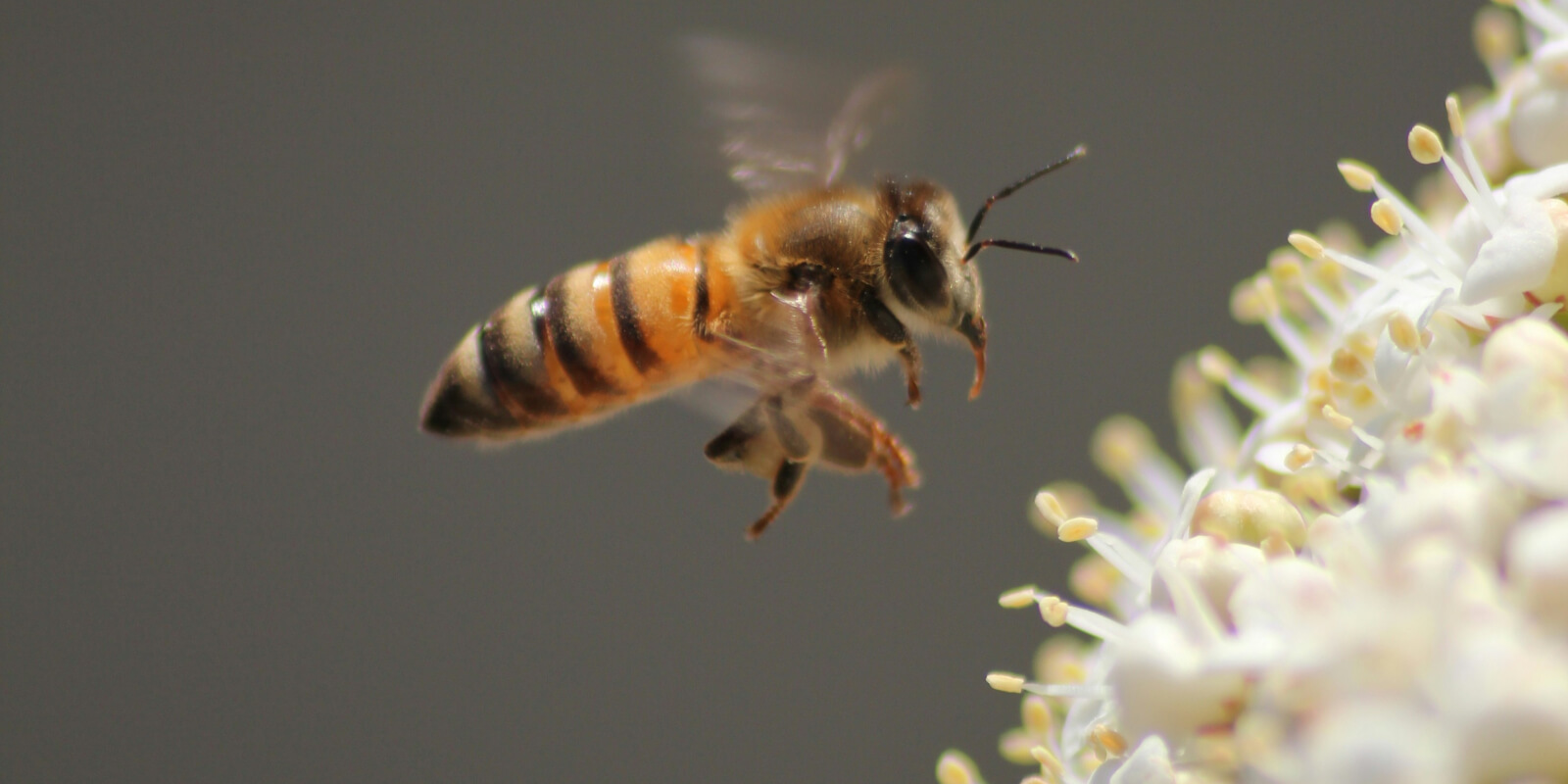
Each year, May 20 celebrates World Bee Day. This date highlights the essential role of bees and other pollinators in our ecosystems.
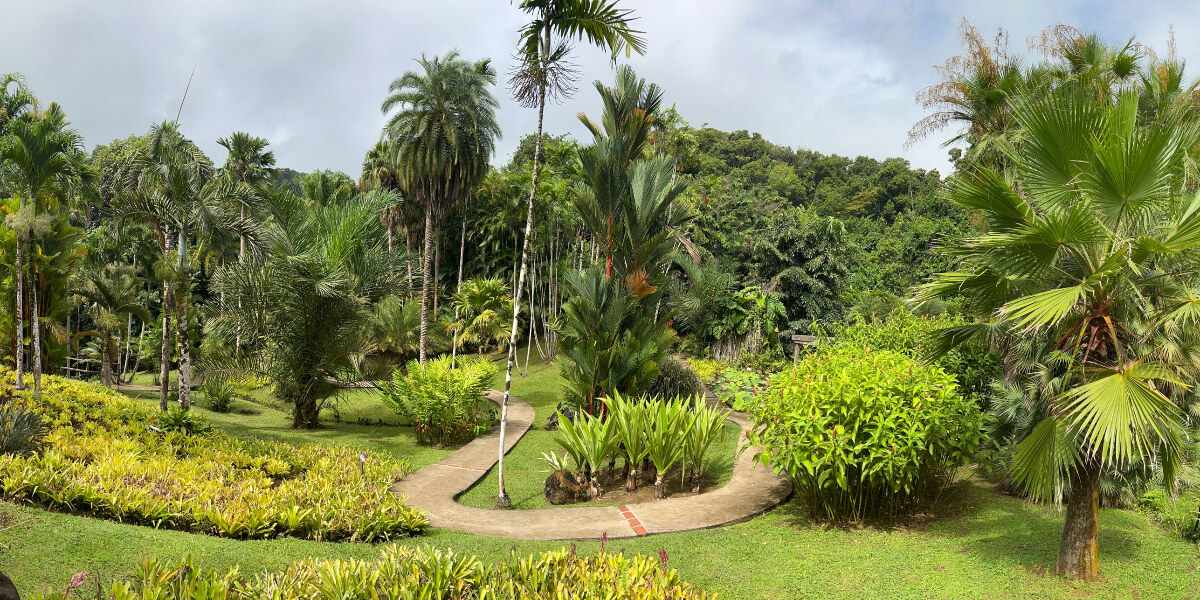
Au Valombreuse Garden, this day particularly resonates. In a tropical botanical garden where more than 1000 plant species coexist, bees participate every day in the life of the site. Without them, many flowers, fruit trees, and tropical plants would not be able to reproduce properly.
Why are bees essential?
Bees play a major role in pollination. By foraging flowers to collect nectar and pollen, they naturally transport pollen from one plant to another. This phenomenon allows the reproduction of numerous plant species.
Globally, nearly 75% of food crops depend at least in part on pollinators. Fruits, vegetables, spices, cocoa or even medicinal plants are directly concerned.
In Guadeloupe, bees also contribute to the balance of Creole gardens, tropical forests and local cultures. They contribute to the richness of biodiversity and to the preservation of numerous plant species.
Threats to bees
For several years, bee populations have been decreasing in many regions of the world. Several factors explain this phenomenon:
- the disappearance of natural habitats,
- the use of pesticides,
- some diseases and parasites,
- climate change,
- the decrease in melliferous plants.
Preserving bees therefore also means maintaining all the ecosystems on which they depend.
Honey plants at the Valombreuse Garden
During the visit, numerous Plants of the Valombreuse Garden attract pollinators naturally thanks to their nectar and their flowering. Some tropical flowers, aromatic plants and fruit trees are real resources for bees. This is the case of The Atoumo Or of fake patchouli.
Towards the end of the tour, visitors can discover a specially highlighted melliferous zone. This space allows you to observe various plants appreciated by bees in a natural and preserved environment. In particular, you will see:
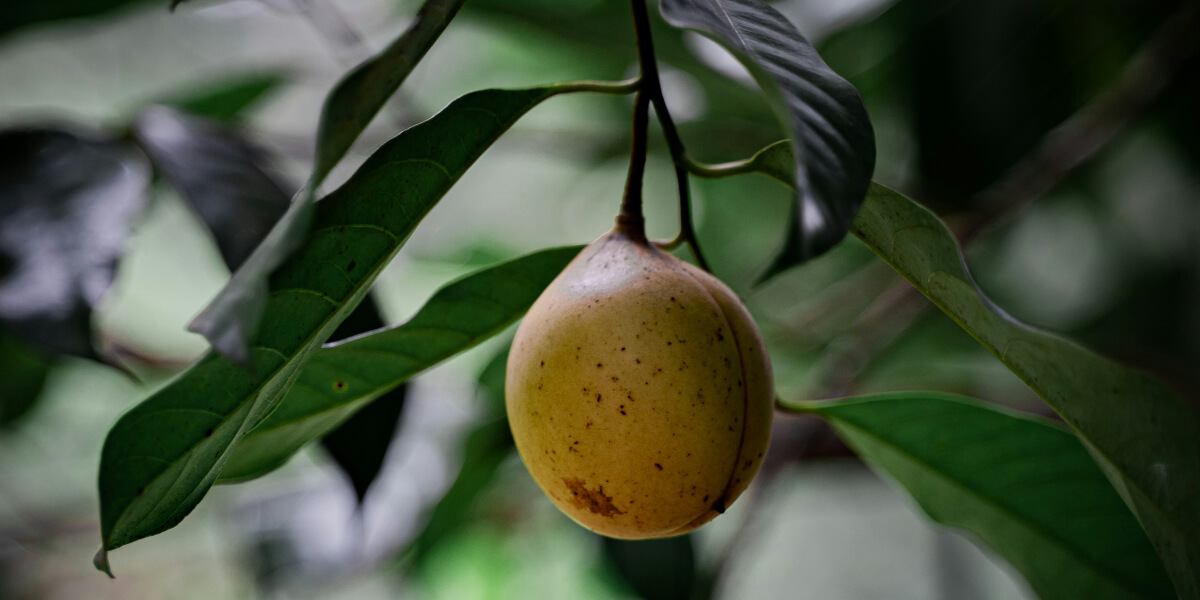
- A nutmeg tree, the nutmeg tree
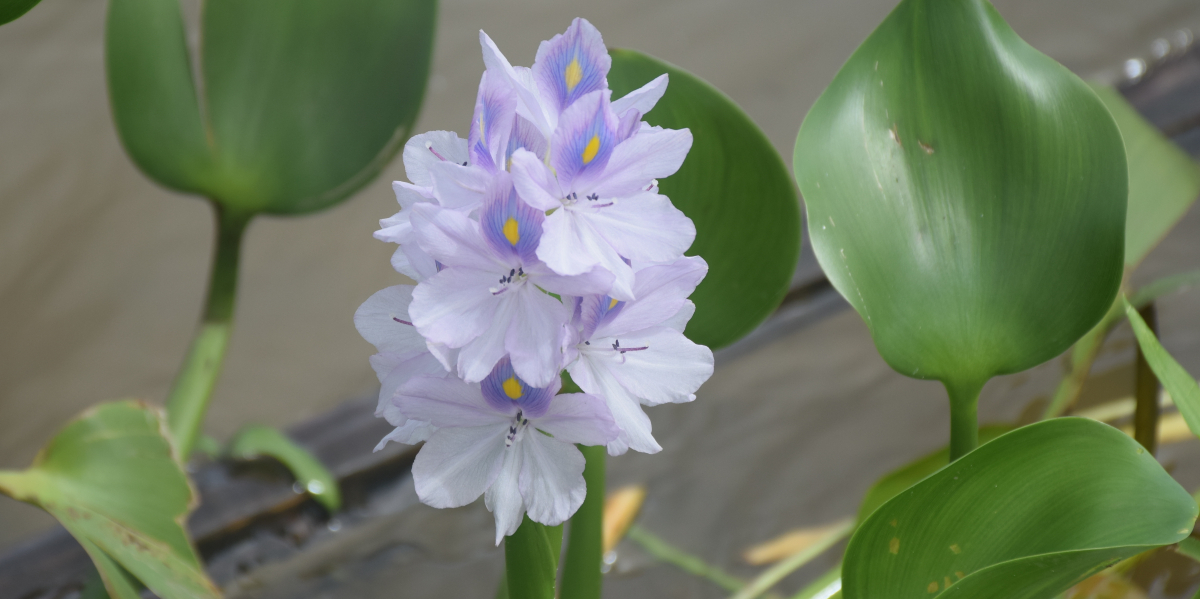
- The Water Hyacinth
- The roucou, also widely used in local gastronomy or during carnival
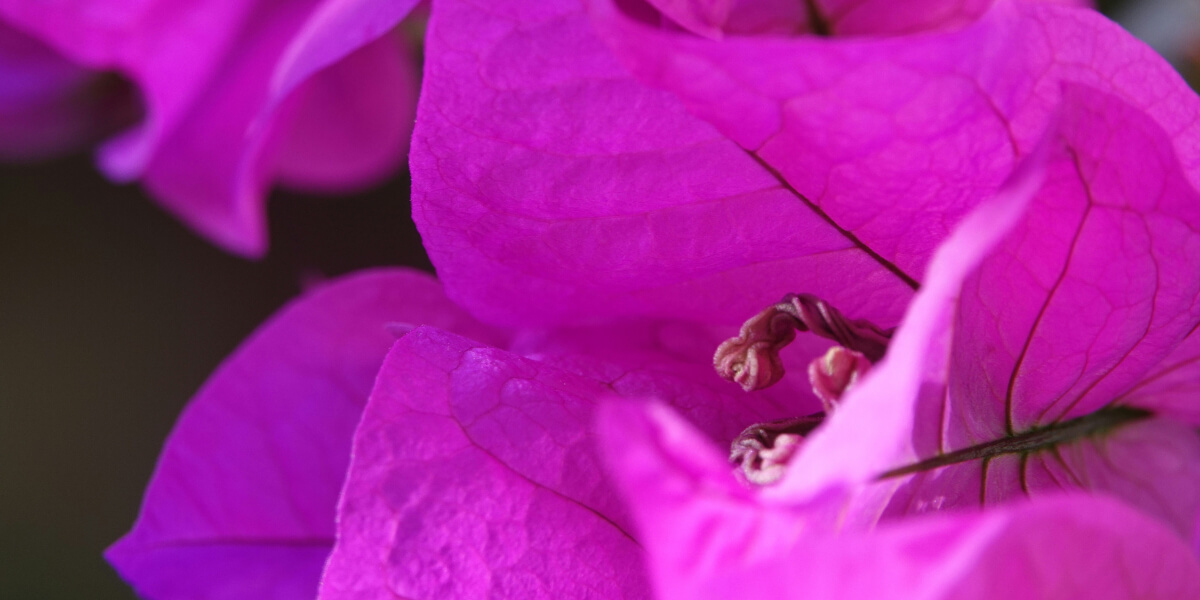
- Bougainvilleas
This educational area recalls the importance of honey plants in Guadeloupe and the role they play in the Production of local honey and the preservation of biodiversity.
Guadeloupe honey and tropical biodiversity
The Guadeloupe honey reflects the richness of the archipelago's flora. Depending on the season and the flowering period, bees gather a great diversity of tropical plants, giving birth to honeys with varied tastes.
In a botanical garden like Valombreuse, this plant diversity favors the presence of pollinators and contributes to the preservation of natural balances.
Observing bees in the garden also means better understanding the close links between plants, insects and tropical landscapes that make Guadeloupe so rich.
Raise awareness about the protection of pollinators
Through its botanical collections, its natural spaces and its awareness-raising actions, the Valombreuse Garden contributes to the development of tropical biodiversity.
La World Bee Day is an opportunity to remind everyone that everyone can act at their own level:
- by promoting melliferous plants,
- by limiting the use of chemical products,
- by preserving natural spaces,
- or simply by taking a closer look at the nature around us.
Au Valombreuse botanical garden, bees are a full part of this living biodiversity that accompanies visitors throughout the discovery of the park.
Entdecken Sie unsere weiteren Neuigkeiten


Find & contact us


Dernières admissions à 16h30
Täglich von 9 bis 18 Uhr geöffnet
, Petit-Bourg 97170 Petit-Bourg


